Mar 01-2026
Improving Agricultural Productivity: How to Choose the Most Durable Garden Twist Ties
READ MORE >

In our day-to-day work with bread clip buyers, a lot of back-and-forth comes from missing information rather than from the product itself. A typical inquiry says: “We need bread clips in several different colors to distinguish our product lines. Please quote.” That is a perfectly reasonable starting point, but on our side we usually still need to confirm a few things: Which colors exactly? Roughly how much of each color? Is the color reference a Pantone number, a physical sample, or an existing clip? Do you have packaging requirements? Is logo or packaging customization involved?
We are putting these supplier-side questions together in one place so that buyers can spend less time on repeated clarification and move more quickly to sampling or quoting. The points below come from our experience working with commercial bakeries, packaging distributors, and bread clip buyers. They are intended as practical reference, not as a set of rules.
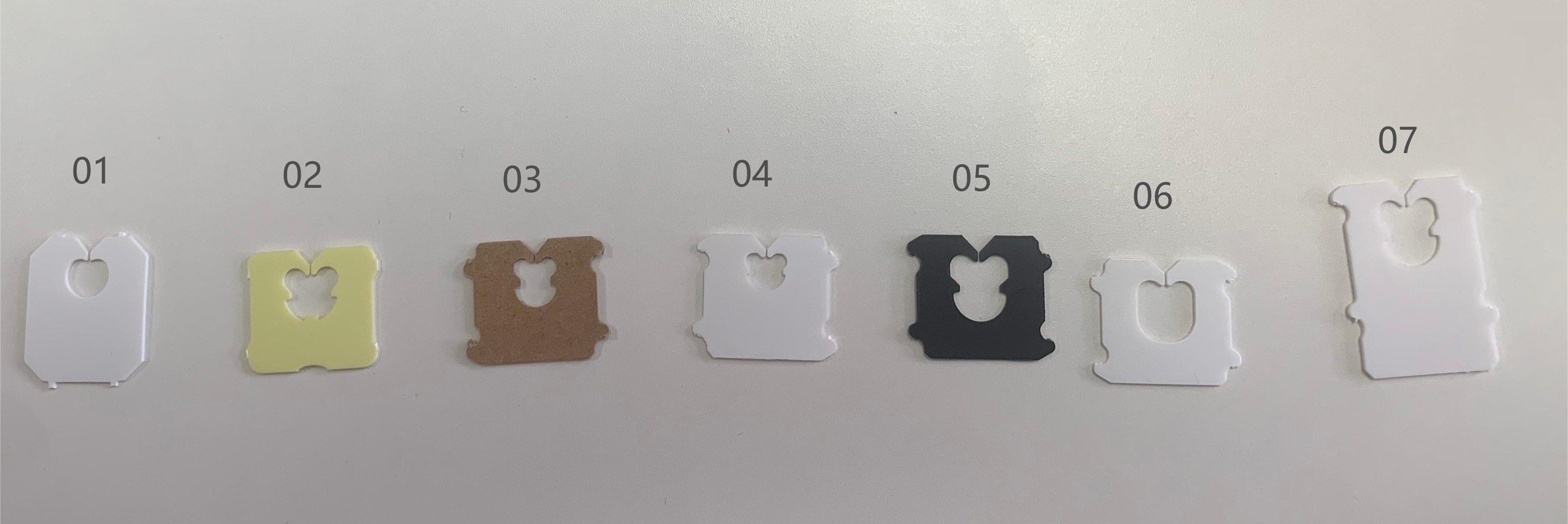
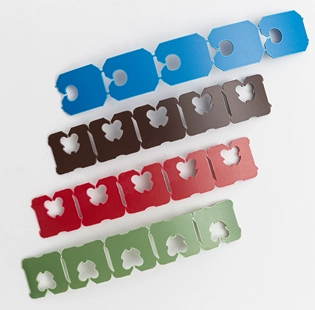
When planning a color system, buyers sometimes come across the “day-of-week color code” circulating online and assume it is an industry rule. There is indeed a commonly repeated mapping—for example, blue for Monday, green for Tuesday, red for Thursday, white for Friday, and yellow for Saturday. But Good Housekeeping has reported that bread clip colors do not follow a universal coding system; the day-of-week mapping is used by some businesses, not by the industry as a whole. Serious Eats reached a similar conclusion after speaking with industry sources: the primary function of bread clip colors is as a stock-management tool for store staff, helping them identify which bread should be pulled or marked down, rather than as a “freshness code” for consumers to interpret.
The practical implication for buyers is simple: there is no correct color scheme to copy. The scheme has to fit your own product groups and packaging workflow. We can supply the colors and quantities you specify, but the decision about which color maps to which product line stays with the buyer. If you already have a reasonably clear color-grouping rule before contacting us, quoting and sampling usually move faster. If the rule is not fully settled yet, you can still share a rough idea, and we can help you see which combinations are easier to implement within our existing color range.
“How many colors” is one of the first things we ask, and one of the areas where buyer input matters most. The number of colors affects whether we can meet the requirement from our existing color range or whether a custom color process is needed. Just as important, usage is rarely evenly distributed. A smaller specialty bread line may need only a small quantity of yellow clips, while a main white-bread line may consume most of the blue clips. If the inquiry gives only a total quantity, we have less to work with when planning production batches and packaging formats. If you can estimate usage by color, or give an approximate percentage split, the quote and lead time can be aligned more closely with your actual usage rhythm.
Color is subjective. The same phrase “light green” can look quite different on different screens. When confirming color, we usually need something more specific than a verbal description: a Pantone number, a physical sample, or the color currently used on existing packaging. If the color falls within a standard color range, confirmation is much faster. If the color needs to be specially matched, a sampling step is usually unavoidable. The earlier we receive a clear color reference, the earlier we can tell whether the color is available from existing options or requires customization.
A color scheme rarely exists on its own. Buyers often also ask about logo printing, custom packaging, or graphic customization. These additional customization requests follow a different process from color selection, and their minimum order thresholds are often different. Take our HD-CLIP-02 (22*23mm, 2000pcs/roll) as an example. The base minimum order for this product is 10 rolls. If custom packaging, custom logo, or graphic customization is involved, the minimum order moves to a different level—currently in the 100,000-roll range for these customization options. That means buyers may need to judge early on whether the current stage only requires selecting from existing colors, or whether the order has reached the volume level for branded customization. Mixing these two stages in one inquiry can create expectation gaps at the quotation stage. If you are not sure which stage you are in, you can simply share your estimated usage and application, and we can help you identify a more suitable path.
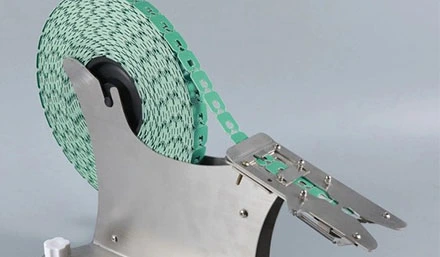
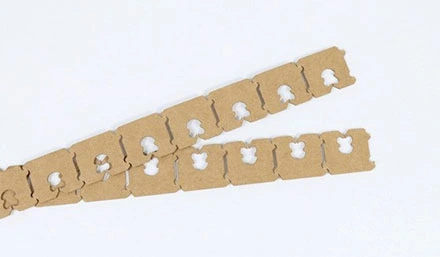
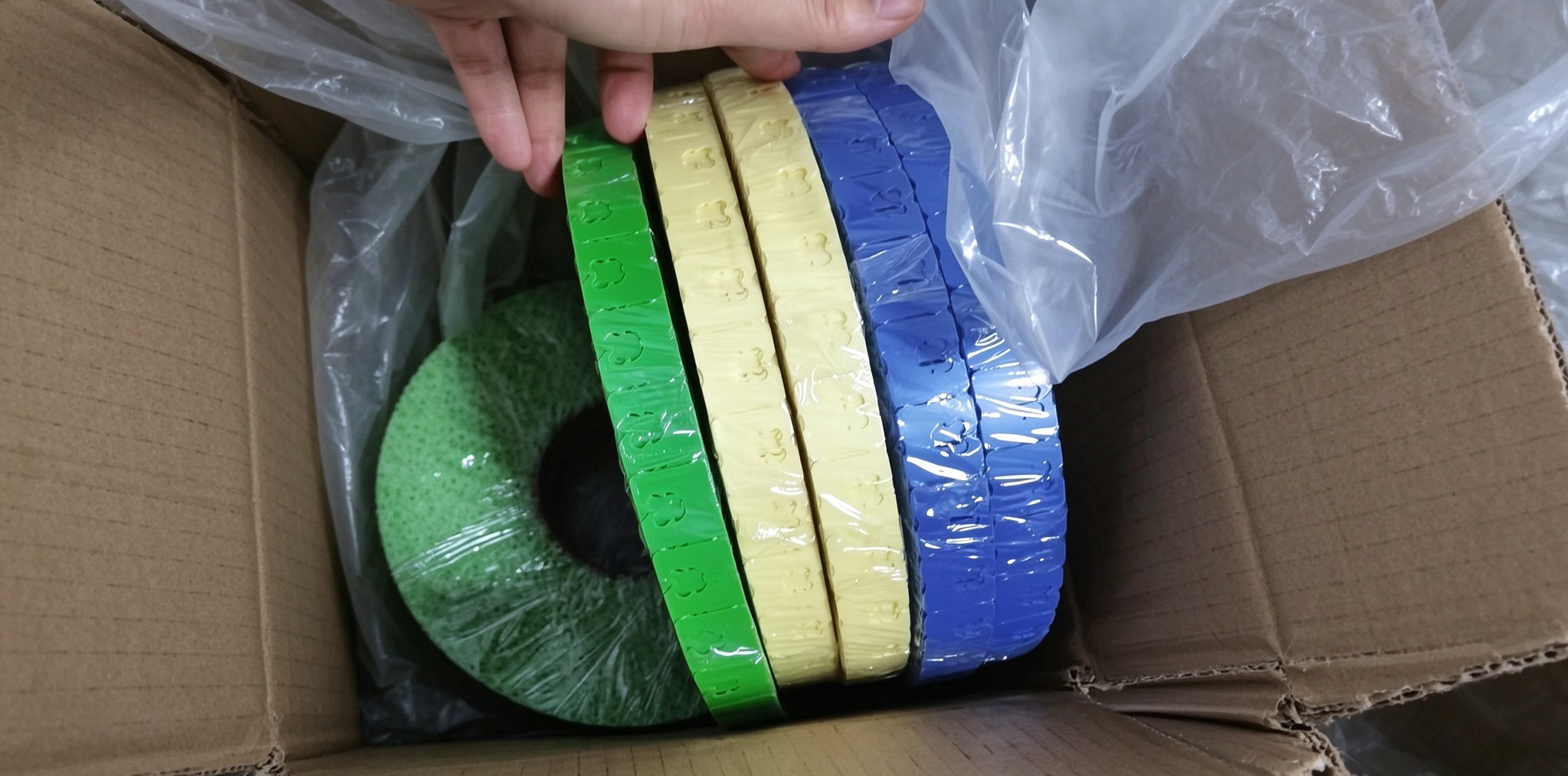
In our plastic bread clip line, the 2223mm size is a commonly used base format, packed at 2000pcs/roll, 10 rolls/ctn, in PS plastic. Existing colors include green, red, yellow, blue, white, and other options. Within the same size series, packing quantities can differ by model—for example, HD-CLIP-01 is 2223mm / 5000pcs/roll, and HD-CLIP-03 is 22*27mm / 2000pcs/roll, both marked “OR CUSTOMIZED.” For most color schemes intended to distinguish product lines, buyers can usually match from existing colors first without immediately moving into customization.
You can review our Plastic Food Bag Closure Bread Clip specifications and color options to see the available product formats.
If you are not sure which specification fits your bag opening and closing method, you can send us the bag dimensions and usage details, and we can help check.
We support adjusting product color, size, logo, and material according to customer requirements. For bread clips, customization options include color, size, and logo. But the existence of customization capability does not mean every customization is feasible at the same threshold. Color customization can draw on existing color ranges or be specially matched to customer requirements; logo and packaging customization usually depend on order volume. Since our founding in 1998, we have operated a factory of more than 10,000 square meters with over 20 production lines, serving customers in 79 countries and regions, and holding RoHS certification and more than ten patents. The practical meaning of this capacity and qualification background is that when a buyer’s color scheme expands from “a few standard colors” to “multiple colors, multiple batches, and custom elements,” we have the production scheduling and quality control foundation to support it. We would rather confirm specific customization feasibility and thresholds item by item based on your actual usage and application than give a broad commitment at the outset.
Lead time for regular orders is confirmed together with quantity, colors, and customization requirements. Under normal circumstances it is around two weeks, but the specific schedule needs to be checked item by item with you, and we will state it together with the quotation. We support samples before an order, and first-order support can also be discussed. For color purchases, the sample step is particularly important: differences between screen color and physical color, legibility under factory lighting, and consistency of size and clip tension across colors can only be confirmed with a physical sample. If it works for the buyer, confirming samples before the bulk order usually reduces later communication over color deviation. For custom orders, lead time is checked separately after colors, quantities, and packaging are confirmed.
If you are planning or adjusting a bread clip color scheme, the following information, where available, usually reduces the number of clarification rounds:
Color-grouping logic: how many colors, and roughly which product lines or customer orders they correspond to. If the internal plan is not fully settled, a preliminary idea is enough.
Estimated usage by color: quantity or approximate share for each color. This is more useful for quoting and production planning than a single total.
Color reference: Pantone number, physical sample, or existing color name. If you are selecting only from existing colors, the color name is enough.
Current stage: whether you are selecting from existing colors first, or already considering logo, packaging, or other additional customization. If you are unsure, we can work it out together.
Packaging format: rolls per carton, quantity per roll, and whether custom packaging is needed. These affect both quotation and production arrangements.
Sample confirmation plan: whether a physical sample is needed before the bulk order, and which department will take part in confirming it.
You do not need to provide everything at once; a rough framework is enough to start. We would rather lay out the supplier-side points in advance so that buyers spend less time on repeated clarification and more time on the color scheme itself. If you need to check a specific specification or color, you are welcome to contact us through our website.