

Nov 17-2025
HD-878Z Twisting Machine: A Flexible Tool for Multiple Operating Scenarios
READ MORE >

Once a packaging workflow has been identified as a potential fit for machine-assisted twist tie closing, the next question is what to consider when evaluating a machine.
Choosing a twist tie machine is not only about machine speed or size. The machine needs to work with the bags, tie format, tie supply method, closing process, and overall workflow. Once these requirements are clear, you can review twist tie machine options that match the intended application and workflow.
This guide explains the main factors to review before choosing a twist tie machine. It focuses on application and workflow considerations rather than recommending a specific machine model.

1. Start With the Bag and Closing Application
The first step is to understand the bag and closing application itself. Before looking at machine specifications, confirm what the machine will actually be closing.
Key questions include:
- What type of bag is being closed?
- How is the bag opening presented?
- Is the opening gathered manually or automatically?
- Where does the closing operation take place?
Bag Format
Bag format directly affects how a twist tie machine can be used. Flexible bags, small bags, and larger bags may require different approaches to feeding and closing. Opening sizes can vary, and different bag materials may behave differently during the closing process.
The goal is not to determine which bag is best, but to confirm what the machine will need to handle.
Closing Position
The position where the twist tie is applied also matters. Top-of-bag closing is common, but the exact position of the gathered opening and how it is presented to the machine will influence machine selection.
2. Check the Twist Tie Format and Dimensions
The twist tie format refers to the physical tie that the machine must handle. This is separate from how the tie is supplied, which is covered in the next section.
Tie Type
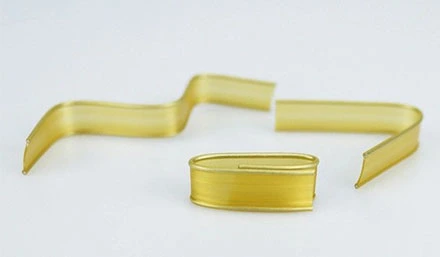
Confirm whether the machine is designed for the intended twist tie format and construction before comparing other machine specifications.
Tie Dimensions
Tie dimensions such as tie width, tie length, and wire diameter where applicable must fall within the machine’s operating range. These dimensions affect how the tie is handled during feeding, positioning, and closing.
Before choosing a machine, confirm the required tie dimensions and compare them with the machine’s supported range.
3. Consider How the Tie Is Supplied and Fed
How the tie is supplied to the machine is a distinct consideration. It affects feeding, operation, and replacement.
Pre-Cut Twist Ties
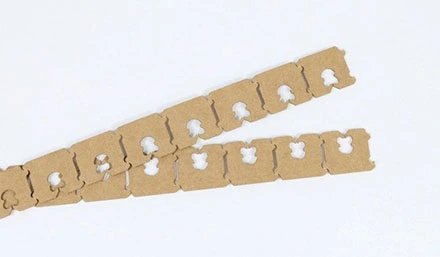
Pre-cut twist ties are supplied individually. Machine compatibility depends on how the machine is designed to apply the tie. The differences between pre-cut twist ties and continuous twist tie rolls may affect how the tie supply method fits into the closing workflow. Confirm whether the machine is intended to work with pre-cut ties and how those ties are presented during operation.
Continuous Twist Tie Rolls
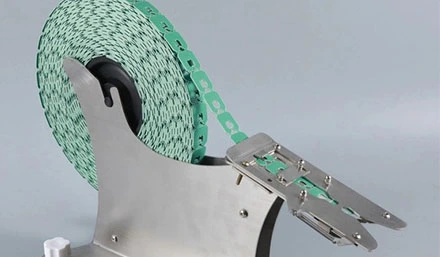
Continuous twist tie rolls supply tie material in a continuous format. The machine may need to dispense and process the tie during operation. For roll-based systems, understanding how twist tie rolls are dispensed and cut can help clarify the feeding process. The supply format affects how the tie is stored, fed, and replaced during operation.
Feeding and Replacement
Check how the roll or pre-cut supply is loaded into the machine and how operators replace it during operation. Consider how often replacement is needed, whether it interrupts operation, and what steps are involved.
4. Match the Machine to Workflow Requirements
Machine selection should match the actual workflow. A simple way to view the sequence is:
Bag Preparation → Tie Feeding → Tie Positioning → Closing → Finished Bag
This sequence is only a framework for identifying where the machine fits into the workflow. It is also useful to understand manual twist tie application before assessing where machine assistance fits into the workflow.
Ask:
- Who or what prepares the bag?
- How is the bag presented to the closing position?
- How is the tie fed into the process?
- Where does the closing operation happen?
- How much operator involvement is still required?
The answers help determine whether a machine is suitable for the existing workflow.
5. Check Machine Compatibility
Compatibility is one of the most important selection criteria. It is not a single specification, but the match between the machine and the real closing task.
A machine may meet individual requirements but still be unsuitable if the bag, tie, feeding method, and operator workflow do not work together.
Factor | What to Check |
Bag | Material, size, opening format, gathered opening |
Tie | Type, dimensions, operating range |
Supply | Pre-cut or roll, feeding path, replacement method |
Closing | Manual preparation or machine-assisted, position |
Operator | Manual preparation or machine-assisted, position |
Workspace | Machine position, operating area, tie storage |
Workflow | Sequence, consistency, changeover needs |
Use this table to identify where the machine and the application may or may not align.
6. Consider Operation and Maintenance
Before introducing equipment into the workflow, understand how it will be operated and maintained.
For a twist tie machine, focus on:
- How ties are loaded
- How ties are replaced
- How adjustments are made for different bags or ties
- What cleaning is required around the feeding and closing areas
- Which components require regular inspection
- What operator training is needed
Ease of Operation
Consider whether operators can load ties, make required adjustments, and repeat the closing process consistently.
Routine Maintenance
Maintenance requirements should be understood before selection. Tie replacement, cleaning, and component inspection are part of ongoing operation.
7. Format Flexibility and Changeover
A machine should be evaluated against the range of formats it may need to handle.
Consider:
- Will the same machine close different bag formats?
- Will tie dimensions or tie types change?
- Will both pre-cut and roll supply be used?
- How often will changeover be required?
- What adjustments are needed between formats?
If formats change frequently, changeover requirements become a more important part of twist tie machine selection.
8. Twist Tie Machine Selection Checklist
Before choosing a twist tie machine, confirm:
☐ Bag format
☐ Bag opening method
☐ Closing position
☐ Tie type
☐ Tie dimensions
☐ Pre-cut or roll supply
☐ Tie feeding method
☐ Workflow sequence
☐ Operator involvement
☐ Workspace
☐ Maintenance requirements
☐ Changeover needs
☐ Overall machine-to-workflow compatibility
Conclusion
Choosing a twist tie machine starts with the closing application rather than the machine itself. Bag format, tie format, tie supply, workflow, operator involvement, and compatibility must be considered together.
Once these factors are understood, the next step is to look more closely at how automatic twist tie application works during the closing process.