Sep 24-2026
Plastic Twist Tie Product Formats: Choosing for Your Closing Process
READ MORE >

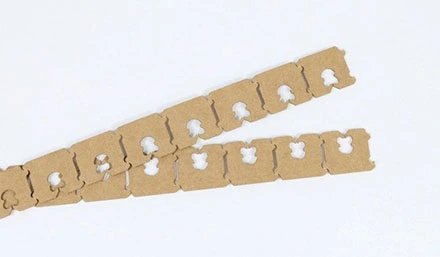
As food safety is increasingly valued, the role of the Plastic Food Bag Closure Bread Clip is far more than just sealing packaging. This article will explore how this small item has become a key link in food preservation from the perspective of food safety and hygiene, and analyze its actual value in the modern food supply chain.
As a food with a high moisture content, bread is very likely to grow mold or become dry and hard due to contact with air. Traditional bundling methods (such as rubber bands or knots) cannot provide a stable seal, while plastic closure clips ensure food safety through the following mechanisms:
1. Isolate oxygen: The tight bite design effectively slows down the oxidation reaction and extends the shelf life of bread;
2. Moisture and anti-fouling: Reduce the intrusion of external moisture and pollutants, and reduce the risk of mildew;
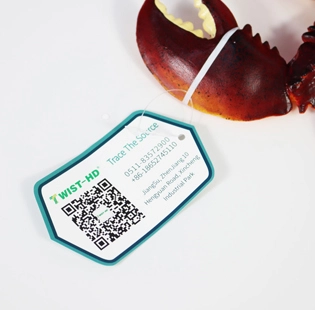
3. Traceability: Some manufacturers mark the production date or batch number on the clip for easy quality control.
Studies have shown that bread with special sealing clips can have a shelf life that is 1-2 days longer than unsealed packaging under the same storage conditions, significantly reducing food waste.
High-quality bread sealing clips must meet strict food contact material standards (such as FDA or EU 10/2011). Take Zhenjiang Hongda Commodity Co., Ltd. as an example. Its products use food-grade PP/PE raw materials, do not contain harmful substances such as BPA and plasticizers, and pass migration tests to ensure that no chemical substances leak out in high temperature and high humidity environments.
It is worth noting that some low-priced and low-quality clips may use recycled plastics, which poses a risk of contaminating food. Consumers can identify them in the following ways:
- Observe whether the "food grade" logo is printed;
- Smell whether there is a pungent odor;
- Choose products from suppliers that cooperate with well-known baking brands.
In baking factories, the hygiene control of sealing clips is often included in the HACCP system:
1. Ultraviolet disinfection: Some automated production lines will sterilize the clips before packaging;
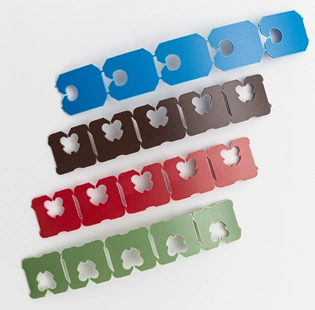
2. Color zoning management: Different workshops use different color clips to avoid cross contamination;
3. Anti-fall design: The improved version of the clip adds a barb structure to reduce the probability of accidental opening during transportation.
Although degradable materials (such as PLA) are an environmental trend, they still have limitations in food preservation performance:
- Moisture resistance is worse than traditional plastics;
- Insufficient mechanical strength may cause sealing failure.
At present, a more feasible solution is to promote the "reduction + recycling" model. For example, the British Warburtons bakery company collects used clips through store recycling boxes and hands them over to professional organizations for recycling into gardening tools.
1. After opening, try to keep the original sealing clip for reuse;
2. Avoid biting the clip with your teeth (may cause microplastic ingestion);
3. Support baking brands that use environmentally friendly packaging to promote industry improvements.