Aug 14-2025
Label ties: an Anderrated Eco-friendly and Economical Option for Sustainable Organization
READ MORE >

Bag closures may perform the same basic task—keeping an opening closed—but they do not all work in the same way. Some wrap and twist around a gathered section of a bag, some grip or clip the material, and others rely on tension or an attached closing component.
Understanding these differences makes it easier to identify which closure categories are worth considering before comparing individual products or specifications.
This guide focuses on separate or attached closure components such as ties, clips, and bands, comparing how they create and maintain a closure. It does not cover sealing methods built into the bag itself, such as zippers, adhesive seals, or heat sealing.
A bag closure is a component or method used to close, secure, or reseal a bag opening. It can be a separate physical item, such as a clip or tie, or a component attached to the bag.
It is important to understand that “bag closure” is not a specific product. Different closures may achieve the same goal—keeping a bag closed—through completely different mechanical means, such as:
Wrapping and twisting
Clipping or gripping
Folding and securing
Stretching around an opening
Fastening while carrying identification
The categories below are common separate or attached closure and related fastening products. They are not intended to cover every possible bag sealing method.

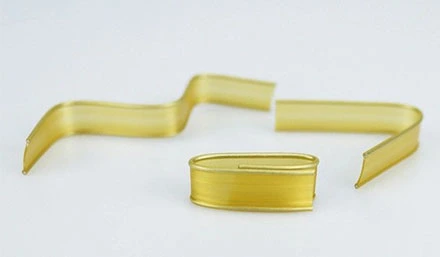
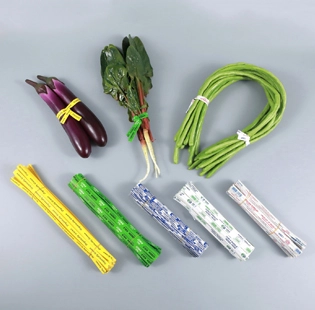
What it is: A twist tie is a flexible closure consisting of a wire or similar core covered by paper, plastic, or another material.
How it closes: Twist ties are wrapped around a gathered section of a bag and secured by twisting the ends around each other.
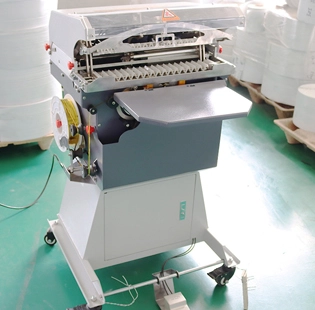
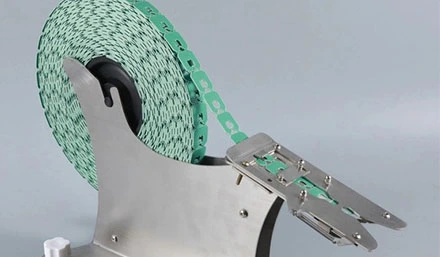
How it is handled: The closure is separate from the bag. It can be supplied pre-cut or in continuous form and can be applied manually or with suitable equipment. Opening generally involves untwisting the tie.
What makes it different: The closing mechanism relies on wrapping and twisting around a gathered neck. The same basic mechanism can also be used for bundling.
What it is: A tin tie is a bendable strip-style closure, often attached or fixed to the bag opening area.
How it closes: After the bag opening is folded, the tin tie is bent into position to hold the folded opening closed.
How it is handled: The closure is folded or bent into a closing position. Reopening involves unfolding it.
What makes it different: A twist tie wraps around a gathered section, while a tin tie folds or bends to hold a folded bag opening in place. Its closing action depends on fold-and-bend movement rather than twisting around a gathered neck.
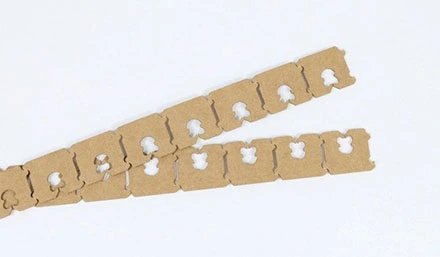
What it is: A bread clip is a small, separate clip-style closure typically made of plastic.
How it closes: After the bag opening is gathered, the bag material is inserted into the clip’s opening or slot. The clip holds the gathered section in place, keeping the bag closed.
How it is handled: The clip is applied by inserting the gathered bag section. Opening involves removing the clip from the bag.
What makes it different: A bread clip does not require the closure itself to be twisted around the bag. It captures and holds the gathered material rather than wrapping around it.
What it is: Bag clips are a broader category of clip-style closures that grip or clamp a bag opening. Their form and attachment method can vary, so “bag clip” describes a closure category rather than one universal design.
How it closes: Bag clips generally rely on gripping or clamping the bag material.
How it is handled: The clip is attached to the opening to close it. Removal does not require untwisting, and some designs may be reapplied depending on the specific product.
What makes it different: Bag clips represent a wider group of products. The category describes a closing function, not a single fixed structure.
What it is: A rubber band is a stretchable loop used as a closure by wrapping it around a gathered section of a bag or bundle.
How it closes: The rubber band is stretched around the gathered material and held in place by elastic tension.
How it is handled: Application requires stretching the band around the opening or bundle. Removal involves stretching it off or sliding it away.
What makes it different: Its closing action comes from elastic tension rather than twisting, bending, or clipping. A rubber band can serve both closing and bundling functions.
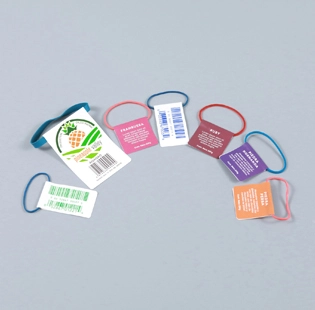
What it is: A label tie combines a fastening function with an identification element. Label ties are not limited to bag closing applications; they can also be used to secure and identify items or bundles.
How it closes: The tie is fastened around an item or bundle, securing it while the attached label provides identification.
How it is handled: Application involves attaching the tie around the item or bundle. Reopening depends on the specific tie format.
What makes it different: An ordinary tie provides fastening only. A separate label plus tie involves two components. An integrated label tie provides fastening and identification in one format.
| Closure Type | Basic Closing Mechanism | Typical Handling | Reopening Method | Separate Closure Component | Additional Function |
|---|---|---|---|---|---|
| Twist Tie | Wrap + twist | Wrap around gathered section | Untwist | Yes | Closing / bundling |
| Tin Tie | Fold / bend | Fold closure into position | Unfold | Depends on design | Closing |
| Bread Clip | Capture / hold | Insert gathered bag section | Remove clip | Yes | Closing |
| Bag Clip | Grip / clamp | Attach clip to opening | Release/remove clip | Yes | Closing |
| Rubber Band | Stretch + tension | Stretch around opening or bundle | Stretch/remove | Yes | Closing / bundling |
| Label Tie | Fasten with identification element | Attach around item or bundle | Depends on tie format | Yes | Fastening + identification |
The Basic Closing Mechanism column is particularly important because it highlights the fundamental differences between closure types.
These three terms are often used interchangeably, but they describe different characteristics:
Removable: The closure can be taken off.
Reclosable: The bag or opening can be closed again after opening.
Reusable: The closure itself can potentially be used again.
A closure being removable does not automatically mean it is designed for repeated reuse. Similarly, a bag may be reclosable even if the original closure is not reused—another closure or method could be used to close it again.
It is also important not to make absolute judgments about whether a specific closure type is single-use or reusable, as this depends on the specific design and how it is actually used.
Closure type and application method are two different levels of consideration.
First, determine which closure mechanism fits the task. Then consider how that closure will be applied.
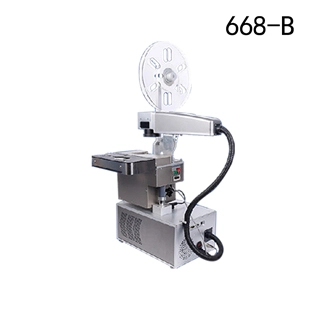
Some closures can be applied manually, while certain product formats may also work with suitable equipment. Seeing “machine application” mentioned does not mean it is a closure type—it describes a method of handling.
Keeping these questions separate helps avoid confusion when comparing closure options.

Before selecting a closure, consider the basic requirements of the task:
Is the opening gathered, folded, or flat?
Does the closure wrap, grip, bend, or stretch?
Does the user need to reopen the closure?
Is the closure also used for bundling?
Is identification required together with fastening?
Will the closure be handled manually or through an equipment-assisted process?
These questions can help narrow down the appropriate closure category. Final selection also depends on specific product structure and usage requirements.
The main difference between bag closure types is not simply what they are called, but how they create and maintain the closure.
Once the closure category is clear, the next step is to compare specific structures, handling methods, and application conditions within that category.