Oct 03-2024
Sealing Clips: Your Home Essentials
READ MORE >

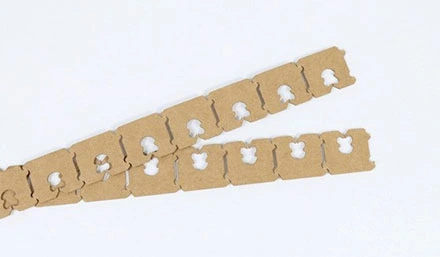
Choosing the right Bag Clip size involves more than comparing the clip's overall dimensions with the nominal width of a bag. The clip's shape, central opening, and the way the bag opening is prepared can all affect compatibility.
Depending on the application, a Bag Clip can be used to secure a gathered bag opening directly or to fasten a bag opening after it has been twisted. Because these methods can produce different opening configurations, the selected clip should be evaluated using the intended fastening method. This guide explains which dimensions to consider, how to assess compatibility, and how to test a candidate Bag Clip before ordering.
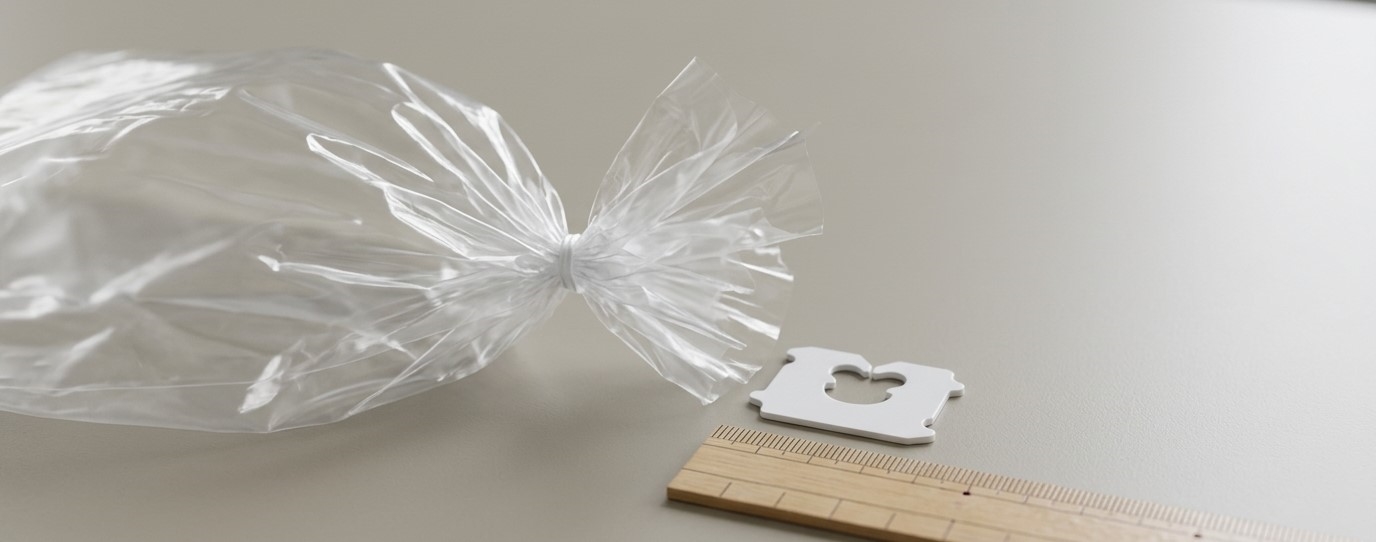
When comparing Bag Clip sizes, consider the following factors:
Overall dimensions: The clip's external length, width, and shape help identify the available product sizes.
Central opening: The shape and dimensions of the opening may affect how the prepared bag material fits with the clip.
Contact and fastening areas: Identify the parts of the clip that interact with the bag opening during installation and use.
Bag material and thickness: Different materials and thicknesses may affect how the bag opening can be arranged and secured.
Bag-opening configuration: Gathering or twisting the bag opening can change its shape and dimensions, affecting how it fits with the clip.
These factors should be evaluated in relation to the actual product design. Overall dimensions alone do not establish whether a clip will work with a particular bag.
Before comparing sizes, check the available product specifications and identify which dimensions are relevant to the fastening method.
Before selecting a Bag Clip size, consider how the bag opening will be prepared for fastening. Depending on the application, the clip can be used to secure a gathered bag opening directly or to fasten an opening after it has been twisted.
Follow these steps:
Identify the intended fastening method. Determine whether the bag opening will be gathered directly or twisted before the clip is applied.
Prepare the bag opening as it will be used. Reproduce the intended configuration rather than measuring only the bag's flat width.
Record the relevant dimensions. Measure the prepared opening and note the shape and size of the section that needs to be secured.
Check the bag material. Consider whether the material's thickness and flexibility affect how the opening can be gathered or twisted.
Evaluate different bag types separately. Differences in material, opening dimensions, and preparation methods may affect compatibility.
A bag's flat width does not necessarily represent the dimensions of its prepared opening. Gathering and twisting can produce different configurations, so evaluate the bag using the fastening method intended for actual use.
Avoid applying a universal conversion formula unless it has been validated for the specific bag and clip design.
Once the bag opening has been prepared, compare its configuration with the candidate Bag Clip.
Consider the following questions:
Are the clip's overall dimensions appropriate for the intended application?
Does the shape of the clip's central opening accommodate the prepared bag opening as intended?
Can the clip be attached using the selected fastening method?
Does the clip interact with the intended section of the bag as expected?
Is the resulting configuration practical for normal handling?
Two fastening methods may be relevant.
Method A: Securing a Gathered Bag Opening
Gather the bag opening into the intended shape and attach the clip directly. Check whether the prepared opening fits with the clip as intended and whether the clip remains in position during normal handling.
Method B: Securing a Twisted Bag Opening
Twist the bag opening before attaching the clip. Because twisting changes the shape and arrangement of the bag material, evaluate the fit using this prepared configuration rather than relying on measurements taken from an untwisted opening.
The same clip may interact differently with a gathered opening and a twisted opening. Test the method intended for the application before confirming the required size.
A clip that appears suitable based on its external dimensions may still be incompatible with a particular bag-opening configuration. Actual fit should be checked rather than assumed.
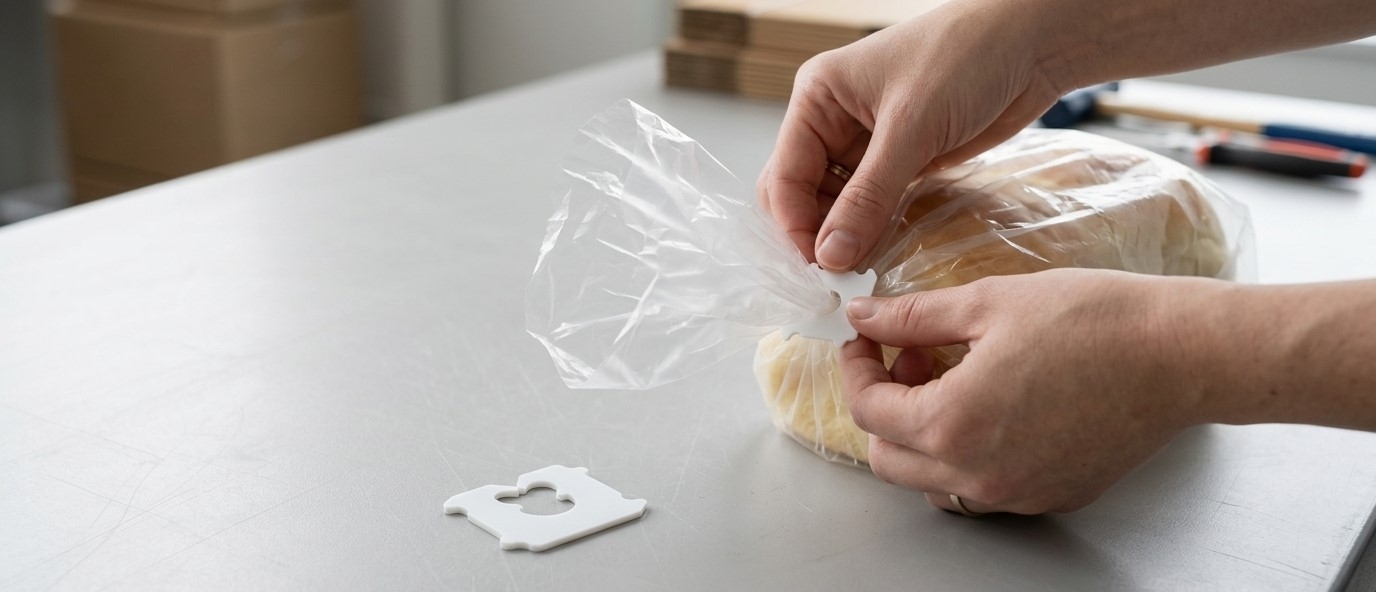
Bag Clip size selection should reflect both the bag structure and the way the clip will be applied.
For some applications, the bag opening can be gathered and secured directly. For others, the opening may be twisted before the clip is attached. The appropriate method depends on the bag, the clip design, and the intended closing procedure.
Consider the following factors:
Bag preparation: Whether the opening is gathered directly or twisted before fastening.
Opening configuration: The shape and dimensions of the prepared bag opening.
Material characteristics: Whether the bag material's thickness and flexibility affect the selected method.
Handling requirements: Whether the clip can be installed and removed as required during normal use.
Application consistency: Whether the same preparation method can be followed consistently during routine operation.
Do not assume that both methods will work equally well with every bag type. Evaluate the intended configuration and fastening method using the actual bag or a representative sample.
The purpose of this assessment is to determine whether the selected clip size is suitable for the intended application, rather than choosing a product based only on its appearance.
Several observations can indicate that the selected clip size or configuration needs further evaluation.
| Observation | Factors to Check |
|---|---|
| The bag opening is difficult to attach to the clip | Clip dimensions, central opening, and bag-opening preparation |
| The clip does not interact with the intended section of the bag | Clip shape, opening geometry, and attachment method |
| The clip shifts during normal handling | Attachment position, bag configuration, clip structure, and operating conditions |
| The same clip behaves differently with different bags | Bag material, opening dimensions, preparation method, and clip compatibility |
| Installation or removal is inconvenient | Clip dimensions, fastening method, and intended operating procedure |
These observations do not necessarily indicate that the clip is too large or too small. The attachment method, product structure, and bag configuration may also affect the result.
Check the actual conditions before deciding whether a different size or product configuration is needed.
Measurements can help narrow the available options, but testing with actual bags or representative samples provides a more practical way to assess compatibility.
Follow these steps:
Prepare the bags intended for use, or samples with the same material and structure.
Identify the fastening method required for the application.
For a gathered opening, gather the bag material and attach the clip directly.
For a twisted opening, twist the bag material before attaching the clip.
Check whether the clip fits the prepared opening and interacts with the intended section of the bag.
Handle the secured bag under normal operating conditions and observe whether the clip remains in the intended position.
If both fastening methods are being considered, evaluate them separately.
Repeat the evaluation for each bag type or configuration that will be used.
During testing, check whether the clip can be attached as intended, whether the resulting arrangement is suitable for normal handling, and whether removal is practical when required.
Record the following details:
Clip model and dimensions
Bag material and thickness
Prepared opening configuration
Fastening method used
Observations during installation and handling
Any issues requiring further verification
A successful test with one bag or fastening method does not establish compatibility with every application. Confirm the results for the specific configuration intended for use.
After identifying a suitable candidate, confirm the product specifications and the conditions under which compatibility was evaluated.
Check the following details:
Product model or structure: Identify the specific Bag Clip being considered.
Overall dimensions: Confirm the available product dimensions and relevant central-opening dimensions, where applicable.
Bag compatibility: Record the bag types, materials, and prepared opening configurations used during evaluation.
Fastening method: Specify whether the bag opening is gathered directly or twisted before the clip is attached.
Sample evaluation: Record the results and identify any remaining points that require confirmation.
Final order specifications: Ensure that the confirmed product dimensions and structure correspond to the item being ordered.
If different bag types produce different results, document the tested configurations separately. Do not assume that one clip size will suit every application without verification.
Review the available [Bag Clip products] to identify the product dimensions and configurations relevant to your application.
When both gathered and twisted openings are used in the same operation, confirm that the selected product is suitable for each intended configuration.
Before placing an order, check the product specifications against the actual bag-opening configuration and intended method of use. If any relevant dimensions or compatibility details are unclear, confirm them with the supplier before finalizing the order.
Choosing the right Bag Clip size requires consideration of the clip's dimensions, central opening, and the way the bag opening is prepared and secured.
Measure the bag opening in its intended configuration, compare the relevant product dimensions, and test candidate clips with actual bags before ordering. Whether the bag opening is gathered directly or twisted before fastening, the selected clip should be evaluated using the method intended for the application.
Confirming the product specifications and testing the actual bag configuration helps reduce the risk of selecting an unsuitable size.
If you wish to purchase relevant products, please contact us.