
May 05-2025
New rules for bundling under the tide of globalization
READ MORE >

Introduction
Manual twist tie application is a bag-closing method performed by an operator. The purpose is to gather the bag opening and secure it with a twist tie so the package stays closed during handling or storage. The process is not complicated, but the condition of the opening, the position of the tie, and how the tie is twisted can affect the final result. This article outlines the main steps and practical points to check during manual closing.
What Is Manual Twist Tie Application?
Manual twist tie application means a person performs the closing steps by hand: gathering the bag opening, positioning the tie, and twisting the tie ends to hold the closure. It differs from automatic or semi-automatic closing, where equipment performs some or all of those actions. Manual work may use pre-cut ties or roll-based ties, depending on the workflow. The exact method varies with bag structure, tie format, and packaging task.
The Basic Steps of Manual Twist Tie Closing

1. Prepare the Bag Opening
After the product has been placed in the bag, leave enough space at the bag opening for handling. Smooth the opening and keep the product away from the area where the tie will be placed. If the packaging requirement allows, expel excess air before gathering. Different bag types may need different preparation methods.
2. Gather the Bag Neck or Opening
Bring the opening together into a position that makes tie placement easy. The gathered section should be easy to hold and secure without creating excessive wrinkles or trapping product. Avoid spreading loose film or irregular folds into the area where the tie will sit. Adjust the amount of gathered material based on bag size and closure needs.
3. Position the Twist Tie
Position the tie around the gathered section that needs to be secured. Make sure it is placed around the opening rather than only catching part of the gathered film.
4. Twist the Tie to Secure the Opening
Twist the tie ends together to hold the gathered opening in place. The twist should be tight enough to keep the bag closed, but not so tight that it damages the film or deforms the tie.
5. Check the Finished Closure
Look at the finished closure. The bag opening should stay closed, and the tie should be stable. If the opening is loose or the tie has shifted, re-gather the bag and adjust the tie.
Pre-Cut Ties and Roll-Based Application in Manual Closing
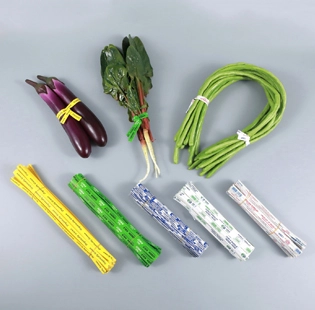
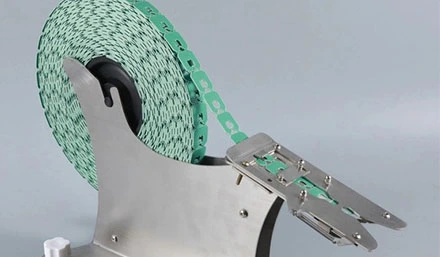
Manual closing can use pre-cut ties or roll-based ties. Pre-cut ties are ready to pick up and do not need cutting during the task. Roll-based ties require dispensing the needed length before the bag is secured. The suitable format depends on the workflow, handling frequency, and packaging method. For a closer comparison, see [Pre-Cut Twist Ties vs. Continuous Twist Tie Rolls].
What Can Affect Manual Twist Tie Closing?
Bag opening condition: A neat and properly gathered opening makes tie placement easier.
Tie length and handling space:The available tie length and working space affect how easily the tie can be positioned and twisted.
Amount of material gathered: Too much or too little gathered film may make it harder for the tie to hold the opening securely.
Consistency of operation:Keeping the gather position, tie placement, and twist method similar helps repeated results.
Manual Twist Tie Application vs. Machine-Based Closing

Manual closing relies on the operator to gather the opening, place the tie, and twist it. Machine-based closing assigns some or all of those steps to equipment. Manual work involves more hand movement, and pace depends on the operator and task. Machine methods have their own workflow and operating requirements. The two approaches fit different packaging situations rather than one being universally better.
Conclusion
Manual twist tie closing follows a clear sequence: prepare the opening, gather it, position the tie, twist to secure, and check the result. The resulting closure is influenced by the condition of the bag opening, tie placement, and consistency of the manual operation, not only by the twisting action. To see how equipment handles this process, read [How Automatic Twist Tie Application Works].