Nov 07-2025
The All-Round Performer in Vegetable Bundles: Quality Assurance from Farm to Table
READ MORE >

Closures differ not only in how they secure an item but also in how they are opened, removed, reapplied, and replaced. When choosing between reusable and single-use closures, the key factors are opening frequency, removal method, reattachment effort, and replacement practicality. This article explains how to evaluate those factors before selecting a closure type.
Reusable closures are designed to support repeated closing operations when their design and condition permit. Single-use closures are intended for one closing operation or a limited use cycle, depending on the product.
However, design intent and actual reuse are not the same. A closure may be removable, but that does not automatically make it suitable for repeated use. Actual suitability depends on construction, condition, and application requirements.
Opening frequency directly affects closure selection. There are three practical situations:
The item is closed once and left in place until removal.
The item is opened occasionally for access.
The item is opened and closed frequently during normal handling.
Frequent reopening makes the convenience of removal and reapplication more important. No single closure type is universally best for a particular frequency; the right choice depends on the handling task.
This section focuses on attachment and loss risk. Consider:
Whether the closure must remain with the item.
Whether a detached closure can be stored conveniently.
Whether the closure could be misplaced between uses.
Whether removal creates extra handling steps.
Attachment requirements can affect the practical choice. A closure that stays attached may reduce loss risk, while a detachable closure may offer flexibility in some workflows.
This section focuses on repeated operation convenience rather than product condition. Consider:
How the closure is released.
Whether it can be reapplied without a separate tool.
Whether careful positioning is required.
Whether the same closing action can be repeated conveniently.
Whether removal and reapplication create extra handling steps.
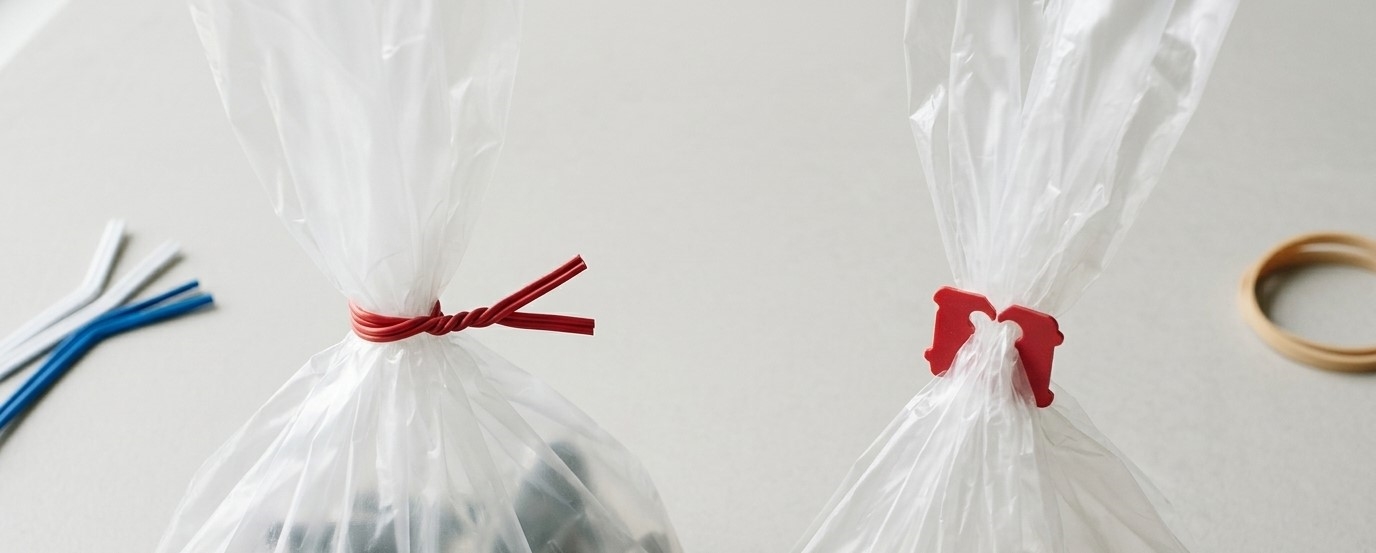
Twist ties, bag clips, and rubber bands show different reuse patterns. Their suitability depends on construction and intended handling, not on the category alone.
Replace a closure when observable signs show that continued use is no longer practical:
Visible deformation, cracks, tears, or damage.
A fastening action that no longer holds as intended.
Removal or reapplication that has become difficult.
Uncertainty about whether the closure still fastens properly after inspection.
Continued use that creates more handling effort than replacement.
There is no fixed reuse count or universal service life. Replacement should be based on the specific closure and its operating conditions.
Compare the time, labor, and workflow steps involved in reuse versus replacement. Consider:
Time and effort required for each operation.
Availability of replacement closures.
Consistency of the closing process.
Ease of removing the existing closure.
Requirements of the overall workflow.
Reusability is a functional consideration, not an automatic measure of efficiency or cost-effectiveness.
The table below highlights general handling characteristics. It is not a guarantee of reuse. Suitability depends on actual construction and application.
| Closure type | How it closes | Reuse limitation to check | Handling need it may fit |
|---|---|---|---|
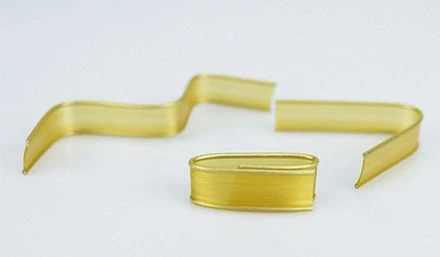
| Twist tie | Wraps and twists around an opening | Repeated bending may deform the tie; untwisting can be awkward | Applications requiring simple closure and occasional reopening |
| Bag clip | Clips or grips the material | The gripping structure may become less effective depending on the design and condition | Frequent access when quick removal and reapplication are needed |
| Rubber band | Holds by elastic tension | Repeated stretching may reduce tension or cause breakage | Temporary holding and simple removal; not precise repeated closure |
| Tin tie | Uses an attached tie structure folded to close | Crease and attachment may wear depending on bag format | Bags designed with an integrated closure where repeated opening and closing is required |
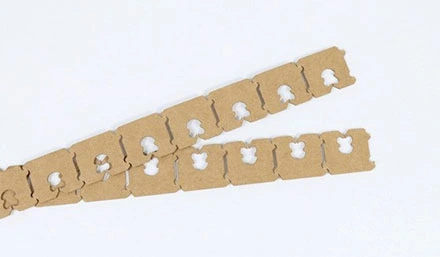
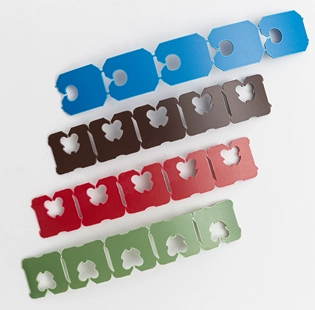
| Bread clip | Uses a clip-based fastening format | Repeated handling may loosen grip; removal and replacement depend on clip design | Applications where the clip format suits the bag opening and replacement is practical |
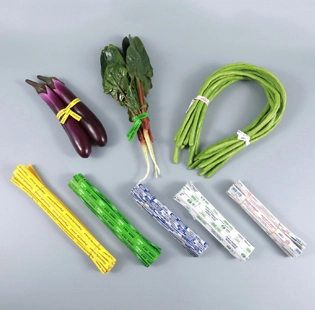
| Label tie | Combines fastening with identification | Tie condition and label association may change | Items needing closure and identification to stay together |
These are general characteristics, not universal recommendations.
How often will the item be opened?
Does the closure need to stay attached?
Is removal straightforward?
Can the closure be reapplied conveniently?
Will its condition remain suitable after repeated use?
Is replacing it simpler than reusing it?
Does the closure also need to carry identification?
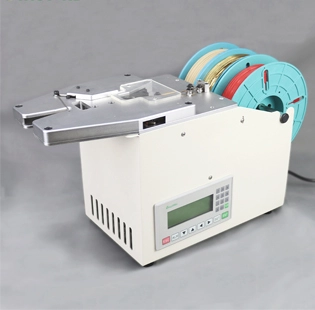
Is the closing process manual or equipment-assisted?
Use this checklist to define functional requirements before comparing specific products.

No. The appropriate option depends on opening frequency, reapplication requirements, product condition, and replacement practicality.
Not necessarily. Removability does not automatically mean a closure is suitable for repeated use. Construction, condition, and application requirements still matter.
No. Environmental impact depends on material, actual reuse, replacement frequency, and end-of-life handling. Reusability alone does not establish an environmental benefit.
Define the handling requirements first: opening frequency, attachment needs, reapplication effort, and replacement practicality. Then compare closure types. This approach leads to a more practical choice than relying on the reusable or single-use label alone.