Jul 29-2025
Plastic Twist Ties: Detail Innovation and User Experience Improvement In Candy Packaging
READ MORE >

The evolution of a thin rope wrapped around the mouth of a bread bag always follows the logic of pragmatism. From raw material selection to design optimization, the packaging industry is constantly balancing cost control, production efficiency and user needs.
Rust prevention of metal cores
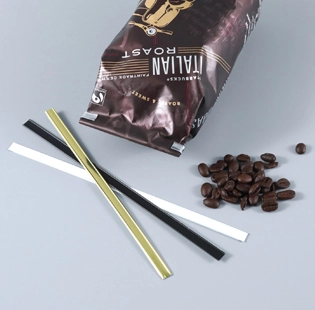
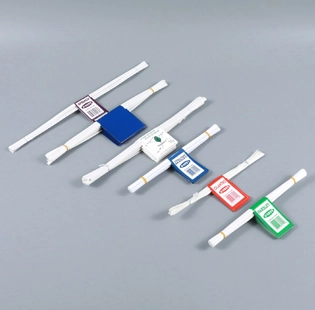
The core challenge facing traditional paper-wrapped metal ropes is steel wire oxidation. Some manufacturers have turned to aluminum-zinc alloy cores or increased the thickness of the coating, which has slightly increased costs but significantly reduced consumer complaints caused by rust. Bakeries in humid climate areas prefer to adopt a full plastic non-metal core design to completely avoid the risk of rust contamination.
Practical trade-offs in plastic coatings
The price fluctuations of food-grade PE plastic particles directly affect the product form. In order to balance safety and cost, the industry generally adopts two strategies: one is to accurately control the coating thickness and reduce the amount of raw materials while meeting food safety standards; the other is to add a compliant proportion of recycled plastics to specific products, while mixing antioxidants to maintain toughness.
Scenario limitations of degradable materials
The promotion of bio-based material tie ropes is highly dependent on back-end processing facilities. In areas without professional composting systems, its environmental value is difficult to achieve. Therefore, it is currently mainly used in closed-loop scenarios such as high-end organic food stores, and durable plastic ropes are still the mainstream in the general mass market.
Technical adaptation of high-speed packaging
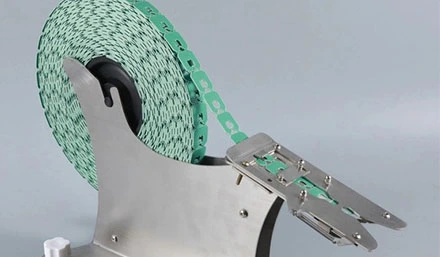
Automated bread production lines need to process hundreds of packaging bags per minute, which puts special requirements on tie ropes: they need to have specific bending stiffness to ensure the success rate of robot arm grabbing, and paper rope printing must use quick-drying ink to avoid adhesion. Some manufacturers also add anti-static treatment to prevent production interruptions.
Special needs of packaging scenarios
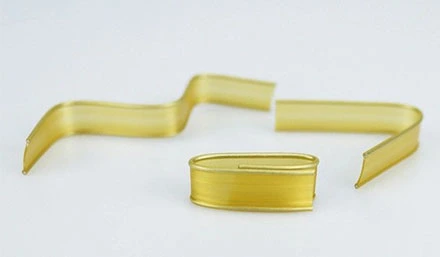
Convenience stores need to open and close the packaging repeatedly to cut bread, which has led to the popularization of flat plastic ropes without metal cores. Such products need to balance flexibility and strength, ensuring that consumers can easily twist them, and avoiding accidental breakage that causes the packaging to fall apart. Some regional markets also introduce designs such as fluorescent logos to improve the convenience of nighttime operation.
The preferences for tie-down ropes in different regions reflect the differences in the industrial environment:
Large supermarkets in North America tend to use coated ropes containing recycled plastics to strike a balance between cost reduction and environmental protection publicity
Affected by the plastic tax policy, EU companies are actively exploring compliant combinations of paper tie-downs or degradable PLA ropes
Convenience stores in Japan and South Korea focus on user experience, and color coding systems and flexible flat ropes have become symbols of quality
User end: Match the usage scenario
Plastic coated ropes are preferred for frozen storage, as they have excellent low temperature tolerance For paper products
Straighten the metal core rope before reuse to extend its life and maintain the sealing effect
Purchasing side: pay attention to hidden costs
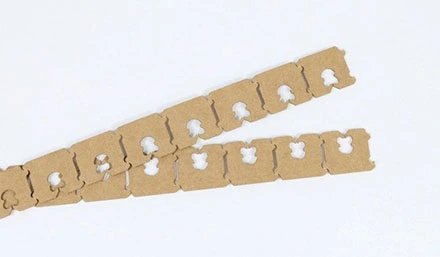
Paper ropes need to evaluate the humidity of the storage environment to avoid waste caused by batch rust
Products exported to the EU should give priority to pure paper solutions without plastic coating to avoid tax burdens
The extended design (>15cm) can reduce the difficulty of bag sealing operations and indirectly reduce losses
The evolution of the tie rope has always revolved around three coordinates: whether the material can withstand supply chain fluctuations, whether the design is adapted to the rhythm of the production line, and whether the shape meets the needs of the terminal scene. When consumers twist the knot, what their fingertips touch is not only the physical barrier for food preservation, but also the microscopic crystallization of the global manufacturing industry to find a balance between cost, efficiency and regulations.
Practical solution provider
Zhenjiang Hongda Commodity Co., Ltd. has been in the packaging industry for more than 20 years, focusing on the practical innovation of tie ropes:
Metal core anti-rust process: Extend the storage cycle through multi-layer coating technology
EU compliance solution: Provide compliance combination certification for paper and biodegradable materials
Customized design: Adjust bending stiffness and surface treatment process according to production line speed
Optimize the full cycle cost of products from a supply chain perspective, replacing short-term data gimmicks