Mar 19-2026
Extending the Shelf Life of Coffee and Tea: The Sealing Advantages of Tin Ties in Food Packaging
READ MORE >

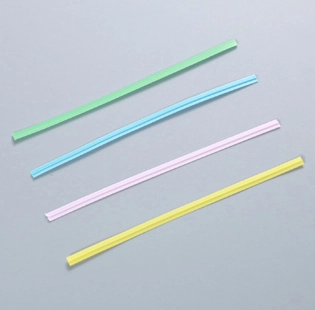
In candy packaging design, details often determine the success or failure of user experience. Plastic twist ties (also known as twist ties) are a small component in packaging, but they play an important role in function, convenience and brand expression. This article will explore how plastic twist ties can bring innovation to candy packaging from the perspectives of user experience, industry trends and practical applications.
Traditional candy packaging often affects the consumer experience due to tight sealing or difficulty in repeated sealing, and the introduction of plastic twist ties solves this pain point:
One-handed operation: Many modern twist ties are made of flexible materials, which consumers can easily untie with one hand, suitable for fast-paced life scenes.
Repeated sealing: Compared with one-time heat-sealed packaging, twist ties allow multiple openings and closings to keep candy fresh and reduce waste.
Safety design: Smooth edges avoid scratches, especially suitable for children's food packaging.
Although these improvements are small, they have significantly improved user satisfaction and become a hidden consideration for consumers when choosing products.
Different types of candy have different requirements for cable ties, and manufacturers need to design them in a targeted manner:
Bagged soft candy: Longer cable ties are required to adapt to the folding of the bag mouth, and the material needs to be flexible and anti-breakage.
High-end chocolate: Use matte or metallic cable ties to convey a sense of refinement.
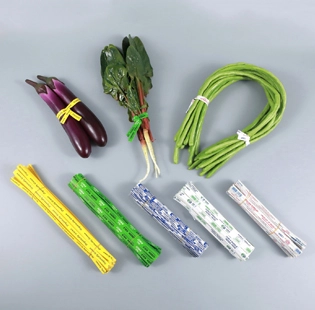
Bulk candy: Colored cable ties help distinguish flavors, such as red for strawberry flavor.
For example, a brand uses bow-shaped cable ties in holiday gift boxes, which not only fix the packaging but also add a festive atmosphere, achieving a combination of function and aesthetics.
For manufacturers, the advantages of plastic cable ties are not only in the terminal experience:
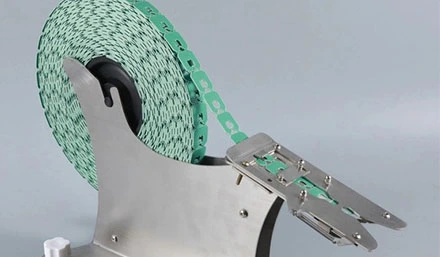
Compatible with automation: cable ties are easy to grab by robotic arms, suitable for high-speed production lines, and are much more efficient than manual bundling.
Reduced loss: Accurate length control reduces material waste, and the cost is more than 30% lower than traditional wire cable ties.
Convenient storage: cable ties are small in size, do not require special storage conditions, and optimize supply chain management.
These characteristics make it a cost-effective choice for small and medium-sized candy companies.
Although plastic cable ties are difficult to completely replace, the industry has reduced the ecological impact in the following ways:
Reduction Design: Some brands have reduced the width of cable ties from 5mm to 3mm, saving more than 10 tons of plastic per year.
Recycling Initiative: Joint packaging manufacturers launched the "Cable Tie Recycling Program" to encourage consumers to drop off at designated recycling points.
Application of Recycled Materials: Cable ties made of 30% recycled PET have passed food safety certification.
Frontier exploration is giving cable ties new functions:
Temperature-sensitive color change: Cable ties change color when heated to indicate whether the chocolate has melted.
Micro-labels: Laser engraving of production date or traceability information replaces traditional ink printing.
The value of plastic cable ties far exceeds their physical form. It is the intersection of packaging function, brand expression and user needs. For candy companies that want to optimize details, Zhenjiang Hongda Commodity Co., Ltd. provides complete cable tie solutions from conventional to degradable.
In packaging innovation, the smallest improvement can often bring the most direct experience improvement. The evolution of plastic cable ties is the best footnote to the candy industry's "seeing the big from the small".