

Aug 07-2026
FSC Certified Excellence: Twist-HD Redefines Standards as a Professional Coffee Bag Tin Ties Company
READ MORE >

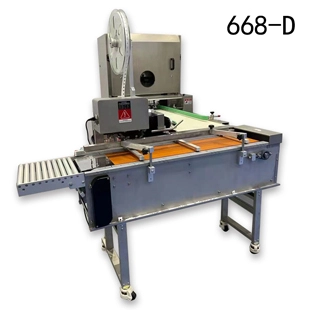
For manufacturers, cost control in the packaging process directly impacts overall profits. As core packaging equipment, the proper use and selection of twist tying machines can play a crucial role in reducing costs. Many companies often waste consumables and increase labor costs due to inappropriate equipment selection and improper operation. Today, we'll share practical tips for reducing packaging costs, using options like "low-cost twist tying machines" and "energy-saving twist tying machines."
First, choose an energy-saving twist tying machine to reduce energy costs. Traditional twist tying machines require high power, resulting in significant electricity bills over time. Energy-saving models significantly reduce energy consumption through optimized motor design.
Second, choose a universal twist tying machine to reduce consumable costs. Some twist tying machines only support specific wire specifications. If supplies are limited or prices rise, procurement costs can increase. Universal models, on the other hand, are compatible with a variety of wire materials and diameters, allowing companies to choose the most cost-effective consumables based on market price fluctuations. Searching for "general consumables twist tying machine" or "multi-size tying wire compatible twist tying machine" will reveal these more flexible machines, avoiding the cost increases caused by a single consumable.
Third, optimize operational processes to reduce labor and downtime costs. While semi-automatic and fully automatic twist tying machines require a higher initial investment, they reduce labor costs, offer high reliability, and have a low failure rate. Furthermore, regular maintenance (such as cleaning transmission components and replacing wearing parts) can extend the life of the machine and reduce repair costs.