
Oct 23-2025
Plastic Twist Ties: A Smart Assistant for Food Packaging
READ MORE >

Introduction
The global food packaging industry is undergoing a structural transformation in 2026. Driven by sustainability regulations, rising labor costs, and the rapid adoption of automation in production lines, packaging buyers are re-evaluating every component in their supply chain—including closure systems such as twist ties.
While often considered a small accessory, twist ties are now playing a more important role in bakery packaging, produce bundling, and automated sealing systems. Their compatibility with high-speed machinery, material sustainability, and sealing reliability directly impact production efficiency and product presentation.
1. Sustainability Regulations Are Reshaping Packaging Material Selection
Across Europe and North America, regulatory frameworks such as EPR (Extended Producer Responsibility) and PPWR (Packaging and Packaging Waste Regulation) are pushing manufacturers to reduce plastic usage and improve recyclability.
As a result, packaging buyers are shifting toward:
Paper-based packaging components
Recyclable closure systems
Reduced plastic consumption materials
Eco-friendly packaging accessories
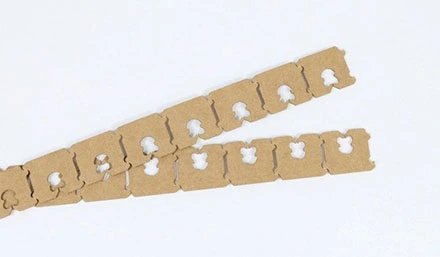
In this transition, paper twist ties and biodegradable-coated closures are gaining increased attention in bakery and retail packaging applications.
For B2B buyers, sustainability is no longer a marketing option—it is becoming a procurement requirement.
2. Automation Is Now the Standard in Bakery and Food Packaging Lines
Labor shortages and rising operational costs continue to accelerate automation adoption in food manufacturing facilities.
Modern production lines increasingly rely on:
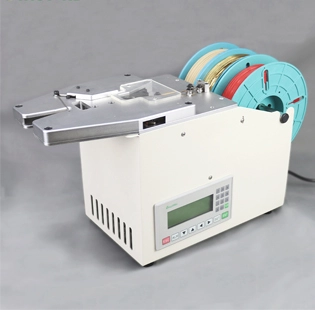
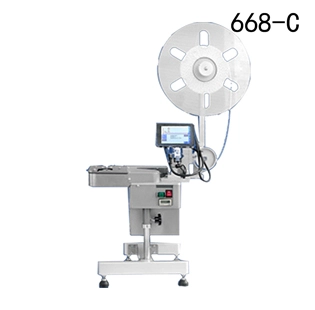
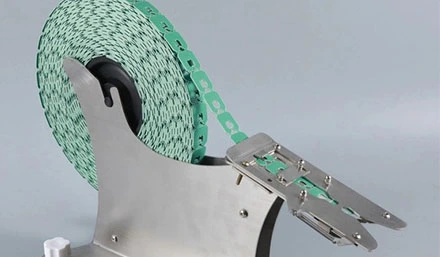
Automatic twist tie machines
High-speed bakery packaging systems
Integrated sealing and bagging equipment
Continuous production workflows
In this environment, packaging accessories must perform consistently under machine conditions.
Even minor variations in wire diameter, coating adhesion, or stiffness can lead to:
Feeding jams
Machine downtime
Increased maintenance costs
Reduced packaging efficiency
This is why twist tie manufacturing precision has become a key purchasing criterion for industrial buyers.
3. Packaging Closures Are No Longer “Small Components”
In traditional packaging procurement, closure materials were often considered low-value consumables.
However, in 2026, their role has shifted significantly.
Modern buyers evaluate closure systems based on:
Sealing stability
Machine compatibility
Shelf presentation quality
Product freshness retention
Labor efficiency impact
Twist ties are widely used in:
Bread bag packaging
Coffee and tea packaging
Fresh produce bundling
Frozen food packaging
Among all closure options, twist ties remain one of the most flexible solutions due to their balance of cost efficiency + automation compatibility + usability.
4. Supply Chain Stability Becomes a Core Procurement Factor
Recent global supply chain disruptions have permanently changed sourcing strategies.
Instead of focusing only on price, procurement teams now prioritize:
Stable manufacturing capacity
Consistent quality control systems
Short and reliable lead times
Global export experience
Certification and compliance documentation
For packaging accessories like twist ties, consistency across production batches is especially critical because even small variations can affect automated equipment performance.
Manufacturers that provide stable, scalable production are becoming preferred long-term partners.
5. Smart and Customizable Packaging Is Increasing Brand Value
Beyond functionality, packaging is increasingly seen as a branding tool.
Buyers are demanding:
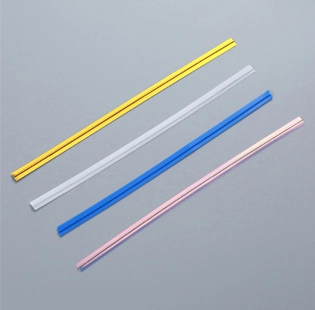
Custom colors and printed twist ties
Label-integrated vegetable ties
OEM / ODM packaging solutions
Retail-ready visual presentation improvements
In supermarket and bakery environments, packaging closure design directly influences:
Shelf attractiveness
Brand recognition
Customer perception of freshness
This has led to a growing demand for custom twist tie solutions tailored to specific industry applications.
Industry Outlook: Why Twist Tie Solutions Are Gaining Importance in 2026
Twist ties are no longer just simple sealing tools. They are becoming integrated components in:
Automated packaging systems
Sustainable packaging strategies
Retail branding solutions
Industrial food production workflows
As packaging systems evolve, buyers increasingly evaluate twist ties not as accessories, but as performance-critical packaging components.
FAQ
Q1: Are twist ties suitable for automated packaging systems?
Yes. High-quality twist ties are widely used in automatic twist tie machines for bakery and food packaging lines.
Q2: What materials are commonly used for twist ties?
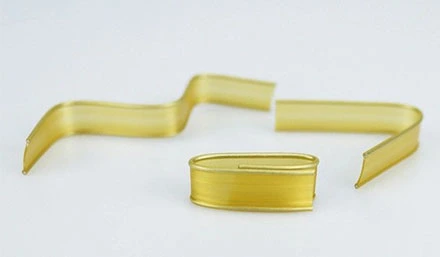
Common materials include PET, paper, plastic, PVC, and metallic film coatings.
Q3: Which twist tie is more sustainable?
Paper twist ties are generally considered more eco-friendly and suitable for sustainable packaging applications.
Q4: What industries use twist ties most?
Bakery, food processing, agricultural produce packaging, and industrial packaging sectors.
Conclusion
The 2026 food packaging industry is defined by three core forces: sustainability compliance, packaging automation, and supply chain resilience. Within this evolving landscape, twist tie solutions are becoming a critical element in both operational efficiency and product presentation.
For packaging buyers, selecting the right twist tie is no longer a minor decision—it directly impacts production efficiency, regulatory compliance, and brand competitiveness.