
Dec 17-2025
Tin Tie: Convenience for Large-Scale Purchasers
READ MORE >

Twist ties and bag clips can both close bags, but they do not secure a bag in the same way. A twist tie gathers the bag opening and holds it closed by twisting a flexible tie around the gathered material. A bag clip holds a folded or gathered bag opening between gripping surfaces.
The difference is not only visual. It affects how the closure is applied, removed, reopened, and handled. Understanding these differences can help users match a closure format to a closing process.
A twist tie closes a bag through a twisting action. The bag opening is gathered, the tie is positioned around the gathered section, and the tie is twisted to secure the opening.
The basic process is:
Gather the bag opening.
Position the twist tie around the gathered section.
Twist the tie to hold the opening closed.
The twisted tie remains around the gathered bag opening and holds the material in position.
The exact handling method can vary depending on the tie format and the application process, but the basic closing action remains the same: wrap and twist.
A bag clip closes a bag through a gripping or clipping action. The bag opening is folded or gathered, positioned within the clip, and then held between the clip's gripping surfaces.
The basic process is:
Fold or gather the bag opening.
Position the opening within the clip.
Close or press the clip into place.
The clip does not wrap around the bag in the same way a twist tie does. Instead, it remains a separate piece that holds the bag material through gripping or clamping.
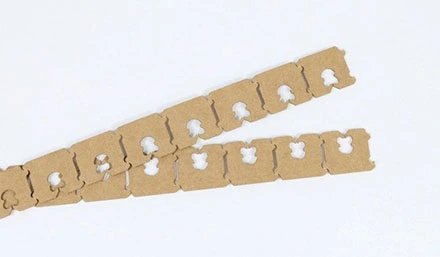
Different bag clip designs can vary in shape and operation, but the general mechanism is based on clipping rather than twisting.Bread clips are one example of a separate clip-style bag closure.
| Factor | Twist Tie | Bag Clip |
|---|---|---|
| Closing motion | Twist | Clip / press |
| Bag preparation | Gather opening | Fold or gather opening |
| Closure flexibility | Flexible | Rigid or semi-rigid |
| Reopening | Untwist | Open or release clip |
| Reapplication | Retwist | Reclip |
| Closure format | Tie | Clip |
| Equipment considerations | Depends on tie format | Depends on clip design |
The most important difference is the closing mechanism.
A twist tie becomes part of the closure by wrapping around the gathered bag opening and being twisted. A bag clip remains a separate gripping component that holds the bag material in place.
This difference can affect how the closure fits into a manual or equipment-assisted process.
Applying a twist tie requires the user to gather the bag opening and twist the tie around it.
The basic hand movement is therefore:
Gather → Position → Twist
Applying a bag clip requires the user to prepare the bag opening, position it within the clip, and close the clip.
The basic movement is:
Fold or Gather → Position → Clip
These methods involve different hand motions. A twist tie relies on twisting, while a bag clip relies on pressing, clamping, or another clip-specific closing action.
For manual packaging, the difference can affect how the operator handles the bag and closure during each closing cycle.
A twist tie can be reopened by untwisting the tie from the gathered bag opening. Depending on the situation, the tie can remain with the bag or be removed before the bag is opened.
To close the bag again, the opening is gathered and the tie is twisted again.
A bag clip is reopened by releasing or removing the clip. The bag can then be accessed, and the clip can be positioned again when the bag needs to be closed.
The two closures therefore require different reopening motions:
Twist tie: untwist and retwist
Bag clip: release and reclip
Neither motion is universally more suitable. The practical choice depends on the bag, the user, and the closing process.

The difference between a twist tie and a bag clip becomes more important when the closure is considered as part of a complete workflow.
For manual closing, the operator performs the main closure operation.
With a twist tie, the operator typically gathers the opening, positions the tie, and twists it into place.
With a bag clip, the operator positions the bag material within the clip and closes or presses the clip.
The choice therefore depends partly on which type of hand movement fits the task.
For repeated packaging operations, the closure format can affect how each closing cycle is performed.
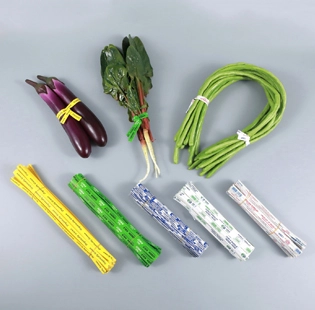
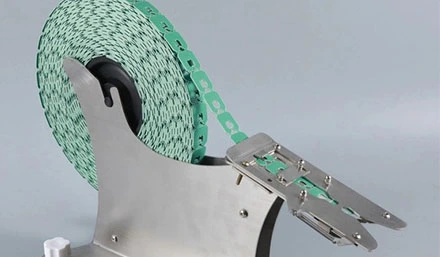
A twist tie requires the operator to handle and twist an individual tie, or to work with a roll-based supply when the workflow is designed for continuous material.
A bag clip requires the operator or equipment to position and apply an individual clip.
When closing operations are repeated many times, the complete sequence should be considered rather than looking only at the closure itself.
When equipment is involved, the closure must be compatible with the application system.
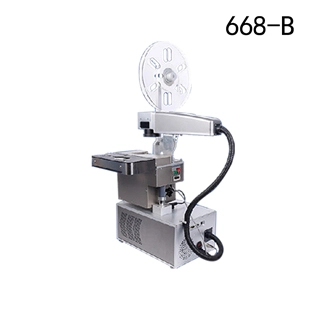
A twist tie workflow may involve supplying, feeding, cutting, positioning, and twisting the tie, depending on the equipment and tie format.
A bag clip workflow may use a system designed to supply and apply clips.
Therefore, the question is not simply whether a tie or clip can close the bag. The more relevant question is whether the closure format matches the way the equipment handles and applies it.
The following points can help narrow down the choice.
A twist tie may fit naturally when the bag opening is gathered and the closure is secured by twisting.
The closure itself is flexible and forms around the gathered material.
A bag clip may fit naturally when the bag opening is positioned within a separate gripping component.
The closing action is based on clipping rather than twisting.
A twist tie can be considered because it is flexible and can be formed around the bag opening.
This can be useful when the closing process is based on gathering the bag and wrapping a tie around it.
A bag clip can be considered when the process is designed around a separate component that grips the bag material.
The clip remains a distinct piece rather than being twisted around the opening.
The tie or clip format should be evaluated together with the application method and equipment design.
For twist ties, this may include the way the tie is supplied, fed, cut, positioned, and twisted.
For bag clips, the relevant considerations depend on how the clip is supplied and applied by the equipment.
The closure mechanism is only one part of the decision. Before selecting a format, consider the complete closing process.
Determine whether the process naturally involves gathering, folding, or another form of bag preparation.
Identify whether the operator or equipment needs to twist, press, clamp, or perform another closing action.
For twist ties, the supply format may be pre-cut pieces or continuous material.
For bag clips, the process generally requires individual clips or a clip supply system designed for the application.
Consider how frequently the package is accessed after the initial closure.
A twist tie is reopened by untwisting, while a bag clip is released or removed.
Manual and equipment-assisted applications place different requirements on the closure.
For equipment-assisted applications, compatibility should be confirmed before changing the closure format.
For repetitive packaging operations, the complete sequence should be considered:
Bag Preparation → Closure Supply → Positioning → Closing → Reopening
Looking at the complete process can help identify whether a twist tie or bag clip fits the operation more naturally.
Twist ties and bag clips solve the same general task—closing a bag—but they do so through different mechanisms.
A twist tie wraps around a gathered opening and is secured through twisting. A bag clip holds the bag material through clipping or gripping.
This creates several practical differences:
The closing motion is different.
The bag opening is prepared differently.
The closure is handled differently.
Reopening uses a different motion.
Equipment requirements can differ.
The supply format can affect the overall workflow.
These differences matter more when the closure is used repeatedly or as part of an equipment-assisted process.
The appropriate choice should therefore be based on the actual closing workflow rather than on appearance alone.
Twist ties and bag clips both close bags, but they use different closing mechanisms.
A twist tie wraps around a gathered opening and is secured by twisting, while a bag clip holds the bag material through clipping or gripping. These differences affect how the closure is applied, reopened, and reused.
When choosing between the two, consider the bag opening, closing motion, closure supply, frequency of access, and whether the process is manual or equipment-assisted.
The most useful starting point is to look at the complete closing process and then select the closure format that fits that process.