
Aug 01-2025
Metallic Pre-Cut Twist Ties: Multi-Scenario Applications From Household Practicality to Industrial Innovation
READ MORE >

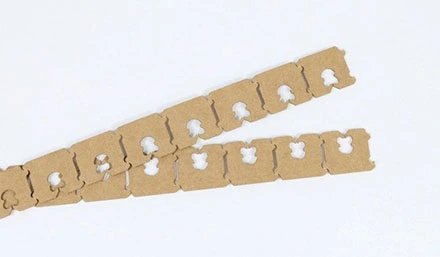
During the transformation and upgrading of the baking industry, the selection of packaging accessories is undergoing profound changes. As an alternative to traditional plastic sealing parts, the value of paper bread twist ties lies not only in their environmental protection attributes, but also in their pragmatic satisfaction of the needs of all links in the industrial chain. This article analyzes their multi-dimensional value from the perspective of practical application.
The practical significance of the degradation cycle
The decomposition rate of paper-based materials in the natural environment is significantly better than that of plastic products, which reduces the long-term load on landfills. In areas where garbage sorting has been implemented, discarded paper twist ties can enter the composting or recycling system to achieve resource circulation.
The value of the industrial chain of carbon emission reduction
From raw material acquisition to production and processing, paper products have relatively low energy consumption. The use of sustainably managed forest resources or agricultural fiber raw materials not only reduces environmental pressure, but also enhances the resilience of the supply chain.
Seamless connection of the recycling system
Paper twist ties are compatible with conventional paper recycling processes, avoiding recycling failures caused by the difficulty of sorting small plastic pieces. This systematic compatibility facilitates baking companies to implement the extended producer responsibility system.
Manufacturing adaptation
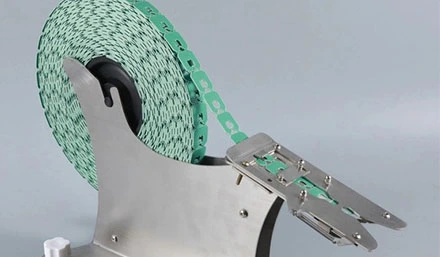
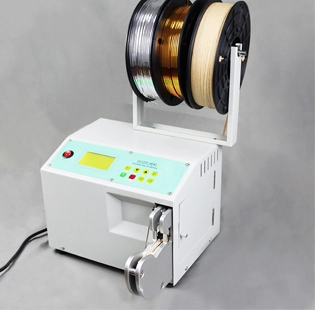
Modern paper tie bands enhance humidity adaptability through impregnation process to meet the sealing requirements of different climate zones. The compatibility of automated filling equipment is continuously optimized, and the cost of switching production lines is controllable.
Consumer experience
The twist-open design is ergonomic and reduces the difficulty of operation. The repeatable sealing feature extends the shelf life of bread and reduces household food waste. The matte paper texture conveys a natural texture and enhances the consumer experience.
Explicit cost control
The price fluctuation of paper raw materials is less than that of petrochemical-derived plastics, which is helpful for long-term cost planning. The lightweight feature reduces logistics and warehousing costs, which is especially beneficial to the distribution system of regional baking companies.
Implicit risk avoidance
Comply with domestic and foreign plastic restriction regulations to avoid policy compliance risks. Reduce negative consumer comments caused by plastic packaging and reduce the cost of maintaining brand reputation.
Visualization of sustainable value
Paper materials themselves convey environmental protection concepts without additional explanation. Consumers directly perceive the brand's environmental protection commitment through touch and vision.
Functionality of information carrier
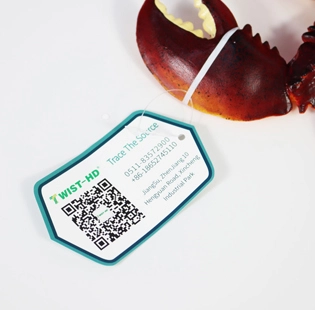
The printable feature makes cable ties a mobile advertising space, carrying product traceability information, brand stories or promotional content, and enhancing the information density of packaging.
The last centimeter of consumer decision-making
The experience of unpacking directly affects the impression of the product. The characteristics of paper cable ties that are easy to tear and burr-free reflect the brand's attention to details.
The popularity of paper cable ties reflects the gradual change of the packaging industry:
For producers: balance environmental protection investment and cost control
For channel dealers: adapt to logistics efficiency and store requirements
For consumers: meet functional needs and value recognition
At this stage, it is necessary to continuously optimize humidity tolerance and pure paper-based structure, but the realistic conditions for replacing plastic cable ties are already in place. It is recommended that baking companies implement the switch in stages according to product characteristics (such as moisture content, storage temperature), and give priority to the application of improved models in products in high humidity areas. Packaging suppliers should provide regional climate adaptation solutions rather than universal products.