Sep 29-2025
Reusable Twist HD Traceability RFID Tag Ties for Efficient and Error-Free Parts Management
READ MORE >

Different closure products work differently, and no single closure fits every application. Define the closure task first, then check the bag or product structure, opening frequency, workflow, and final specifications.
Close a bag opening. Twist ties can gather and secure a suitable bag neck when the bag structure and tie dimensions are compatible.
Bundle items. Decide whether the items need wrapping, twisting, or elastic binding. Check bundle diameter, shape, and sharp edges.
Fasten and identify. If the closure must also carry information, label ties can combine fastening with product identification; check the label size, print area, and attachment point.
Can the bag opening be gathered? The bag needs enough neck material, and the film must be able to maintain the intended closed state after gathering or twisting. If the opening cannot be gathered effectively, consider whether the bag structure and dimensions match a clip, tin tie, or another closure. Bag width alone does not determine the closure type.
Clip or twist? When evaluating bag clips for a folded bag, match the clip jaw range to the folded bag thickness and check whether the product design supports the intended frequency of use.For a gathered bag, check twist tie length and whether the film can maintain the intended closed position after twisting. Tin ties require a compatible attachment point or bag structure, such as a tin-tie strip or channel where applicable; they are not a universal add-on.
Bundle or tag? Distinguish bag closing, item bundling, and tagged fastening. A bag clip sized for a poly bag is not automatically suitable for a cable bundle. A label tie’s length and label size must fit the bundle.
Example: A poly bag opened daily may suit a reusable bag clip if the jaw range matches the folded thickness and the specific product design supports repeated use. For a bakery bag, compare bread clips, twist ties, and other suitable closures based on the bag opening structure and film.
Frequent reopening. Evaluate closures designed for repeated use and confirm that their specific construction supports the intended workflow.
Occasional or one-time use. One-time use does not necessarily mean the closure cannot be reopened. Base the decision on the actual workflow.
Removal and replacement. Check whether the closure can be detached without damaging the bag or product and whether replacement adds labor.
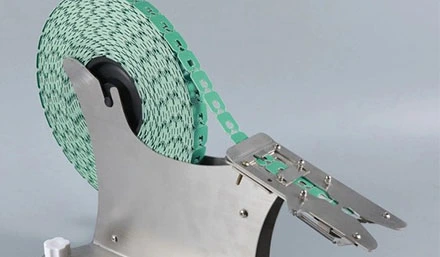
Manual or equipment-assisted. Confirm whether the closure will be applied by hand or by equipment. Check supply format, feed method, and installation direction. Verify compatibility with the specific product; do not assume a closure is suitable for automated equipment.
Identification and traceability. If labels, color coding, or traceability are needed, choose a closure with an identification label or marking option. Confirm that the label remains visible after fastening.
| Closure Type | Main Function | Key Selection Consideration |
|---|---|---|
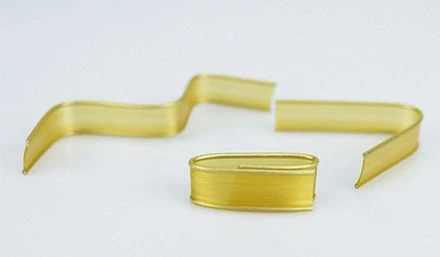
| Twist Ties | Twist around a gathered bag neck or small bundle | Neck can be gathered; tie length covers the wrap; film can maintain the intended closed position after twisting |
| Tin Ties | Fold or twist to secure a compatible bag opening | Bag has a compatible attachment point or structure; film stiffness is suitable |
| Bag Clips | Clamp a folded or gathered bag opening | Jaw range matches folded thickness; clip width fits the bag; confirm repeated-use suitability for the specific product |
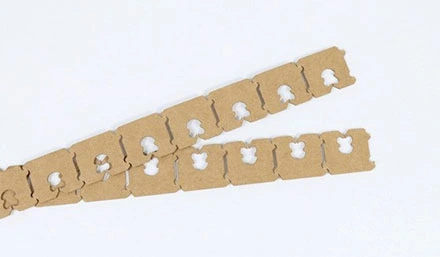
| Bread Clips | Clamp a compatible bag opening with a tab-and-slot clip structure | Match between the bag opening or film and the clip structure |
| Rubber Bands | Elastic binding of compressible items | Diameter and stretch range fit the bundle; check for sharp edges that could damage the band |
| Produce Ties | Tie produce bunches or similar items | Stem or bunch size, tie length, and contact requirements if applicable |
| Label Ties | Fasten and identify products | Label size, print area, tie length, and attachment point |
This table is for initial screening only. Categories can overlap—for example, produce ties and twist ties may serve similar bundling tasks—so confirm suitability by specific product specifications and use requirements.
Quick examples:
Daily-opening hardware bag: Choose a bag clip whose jaw range matches the folded bag thickness and whose design suits repeated use.
Bakery bag: Compare bread clips, twist ties, and other suitable closures based on bag opening structure and film; a bread clip is not a default choice.
Cable bundle with identification: A label tie fastens and identifies in one step; match the label size and tie length to the bundle diameter.
Produce bunch: Compare produce ties and twist ties based on bunch size, tie length, and contact requirements.

Size and fit. Check length, width, jaw range, bundle diameter range, and other critical dimensions against the actual bag or product.
Material and environment. Confirm the material suits the application, including temperature, sharp edges, and food-contact needs where relevant. If specific compliance is required, verify the individual product’s documentation and scope.
Supply format and workflow. Confirm whether pre-cut pieces, rolls, or strips fit the existing operation. If equipment is used, verify product-equipment compatibility and test a sample where possible.

Define the closure’s main task: close, bundle, or fasten and identify.
Confirm the bag neck or item structure matches the closure design.
Check opening frequency, reuse needs, and replacement requirements.
Confirm manual or equipment-assisted application and supply format.
Verify size, material, and identification requirements.
Validate fit with a sample or actual application test before purchase.
Start with the closure task, then confirm that the bag or product structure and opening frequency match the closure design. Finish by checking size, material, supply format, and equipment compatibility—or testing a sample—before making a final selection.